Solar water heating

What is solar hot water?

Solar water heating systems, or solar thermal systems, use energy from the sun to warm water for storage in a hot water cylinder or thermal store. Because the amount of available solar energy varies throughout the year, a solar water heating system won’t provide 100% of the hot water required throughout the year. A conventional boiler or immersion heater is normally used to make up the difference.

Larger solar hot water arrays can also be arranged to provide some contribution to heating your home. However, the amount of heat provided is generally very small (less than 10% of the home’s heating requirement), so it is not usually considered worthwhile.

Most solar hot water systems are just designed to provide the hot water you use for bathing, showering and hot taps.


How do solar hot water heating systems work?

Solar water heating systems use panels or tubes, called solar collectors, to gather solar energy. The solar collectors convert the infra-red portion of visible light into heat. They are filled with a mix of water and glycol. This fluid is pumped round a circuit, which passes through the hot water cylinder.

There are two types of solar water heating collectors:

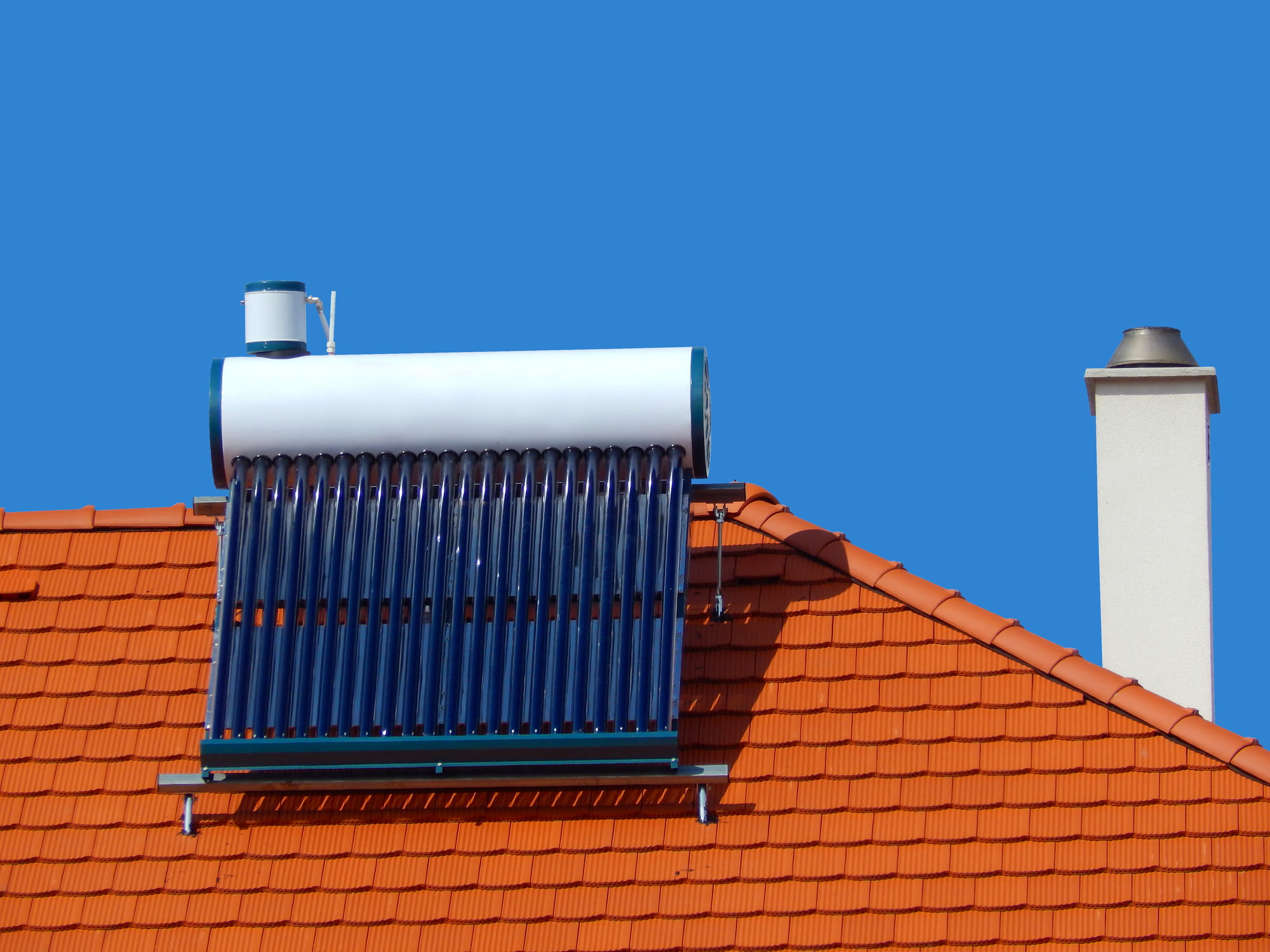
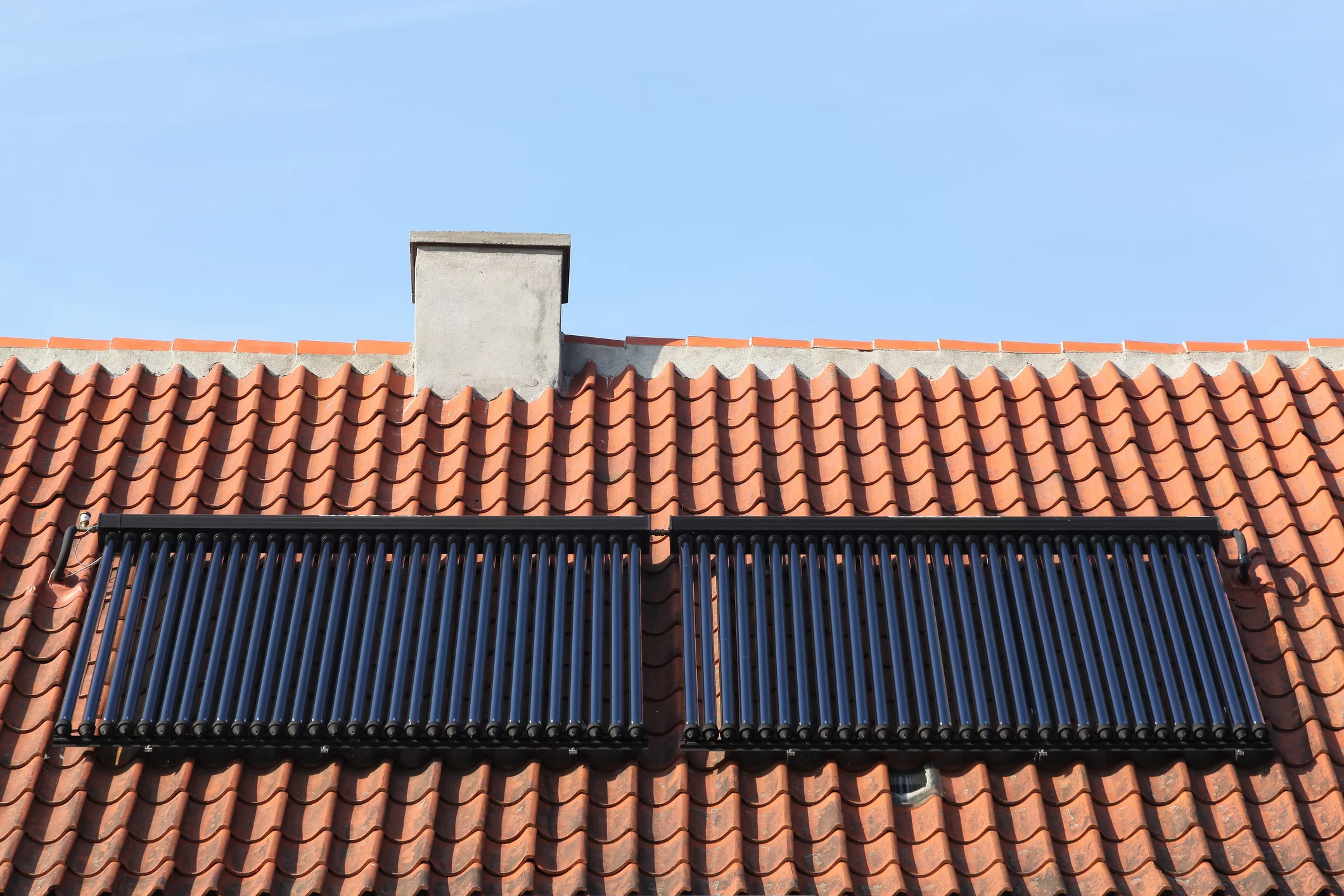
  • Evacuated tubes – a bank of glass tubes mounted on the roof tiles.


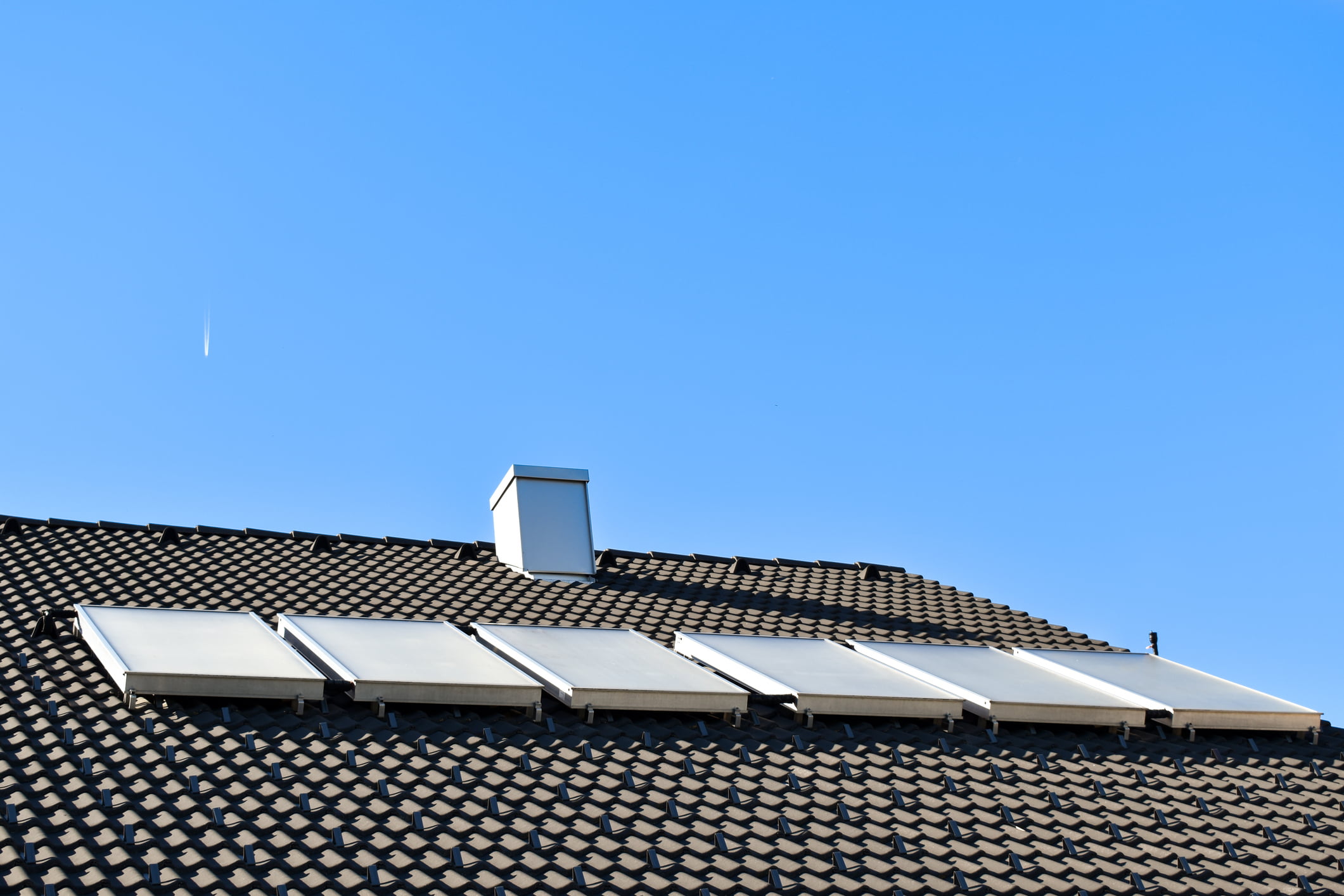
  • Flat plate collectors – fixed on the roof tiles or integrated into the roof.


Benefits of solar water heating

Hot water throughout the year

The system works all year round, though you’ll need to heat the water further with a boiler or immersion heater, especially during the winter months. In the summer, it should provide around 90% of your hot water requirements, dropping to around 25% in the winter.

Reduced energy bills

Sunlight is free, so your hot water costs will be reduced.

Lower carbon footprint

Solar water heating is a renewable heating system and can reduce your carbon dioxide emissions.


Is solar water heating right for your home?

To tell if solar water heating is right for you, there are a few key questions to consider:


  • Do you have a sunny place to put solar panels?

  • Do you have space for a larger hot water cylinder?

  • Is your current boiler compatible with solar water heating?

  • Will you need planning permission?


Costs and savings


Costs

The cost of installing a typical solar water heating system is around £3,000 to £5,000. Costs will depend on whether you choose evacuated tube or flat plate collectors, as well as the size of the system.


Savings

Solar water heating systems will normally be designed to provide roughly half your hot water requirement. The saving will vary throughout the year, with systems providing nearly all your hot water in the summer, but less during the winter months.

Pros and cons of solar hot water

Heating your water with energy from the sun is one way to take advantage of free, renewable solar energy. As with any energy decision, there will be advantages and disadvantages of using a solar hot water system. Here are some top pros and cons to keep in mind when exploring your options:

Pros and cons of solar hot water

Advantages Of Solar Hot Water
Disadvantages Of Solar Hot Water
Water heating bill savings High upfront installation costs
Low maintenance Dependent on climate
Environmentally friendly Only heats water

There are many benefits that come with a solar hot water system:

Save on your water heating bill

Just like solar PV systems, installing solar hot water will help you save on energy bills. Whether you currently heat your water with electricity, gas, or some other fuel, solar hot water systems provide some amount of free hot water each day, and those savings add up over time. Depending on the technology you currently use to heat up your property’s water, your payback period, or the length of time it takes to recoup your initial investment, for solar hot water will vary.

Little to no maintenance

Once you install a solar hot water system, you won’t need to worry much about maintenance. It’s a good idea to replace the circulated antifreeze fluid and have your system inspected by a contractor every few years as safety precautions, but in general, active maintenance requirements are minimal. What’s more, a well-maintained solar hot water installation can last for more than 20 years, all the while producing free hot water with solar energy.

Environmentally friendly heating option

Any time you use fossil fuels like natural gas to heat up your water, greenhouse gases get released into the atmosphere. Even technologies powered by electricity cause pollution – if you’re powering your home’s hot water system with electricity from the grid, that electricity is likely generated from fossil fuels. With a solar hot water system, you can be 100 percent sure you’re using a zero-emissions renewable resource for your water heating needs.

Solar hot water isn’t for everyone; here are some drawbacks you should know about:

Upfront installation costs

As with many home improvement projects, a solar hot water installation has significant upfront costs. As a rough estimate, a full hot water system might cost around $9,000 before any rebates and incentives (like the federal ITC) that help offset the upfront costs of a solar hot water installation.

Performance is dependent on climate.

One of the most important factors to consider when determining the feasibility of a solar hot water system for your property is your local climate. You don’t need sun every day of the year for solar hot water to make sense: systems always include a backup heater (usually gas or electric), so even when you have cloudy or snowy days, you won’t run out of hot water. However, you’ll save more on your water heating bills if you live in a sunny area because you won’t have to use the backup heating source as frequently.

Solar hot water is only for water.

As the name suggests, a solar hot water system only provides heated water and can’t power your electric appliances. To use solar energy to power the rest of your home, you’ll have to install a photovoltaic (PV) solar energy system, which produces usable electricity for your property. Importantly, if you have an electric water heater, it may make more sense to install a solar PV system instead of solar hot water, as you can use renewable solar electricity to run your electric water heating setup.

If you want to heat your home water supply with free solar energy and don’t mind the upfront cost of installation, a solar hot water system might be right for you. The significant utility bill savings and environmental benefits of solar hot water make it a great option for many properties. However, don’t forget to weight the drawbacks of solar water heating against the potential positives. In areas with significant shading or snowy weather, solar hot water may just not be productive enough to provide a significant enough return on investment.

One option for property owners looking to take advantage of solar energy is to install a solar electric system, either alongside solar hot water or on its own. To see how much you could save with solar, check out our Solar Calculator, which estimates electric bill savings based on your unique property and energy usage.

WHAT SIZE SOLAR HOT WATER SYSTEM DO YOU NEED?

Obviously this will depend on how much hot water your family uses in a typical day.

If you use more water than your solar panels are designed to heat – then your electric or gas booster will be working overtime and your bills and CO2 emissions will be higher than they need to be.

If you use less water than the system is designed for – then your up front cost will be higher than it needs to be.

Efficiency First

As with all Renewable Energy projects, you should always invest in efficiency before investing in generation.

So make sure that you install good quality low flow shower heads. The good ones feel as good as high flow ones by injecting air into the stream of water. Follow this link to see the kind of (Australian Made) thing I’m talking about.

Also invest in the most water (and energy) efficient dishwasher and washing machine you can afford. Also consider a machine with a hot water inlet.

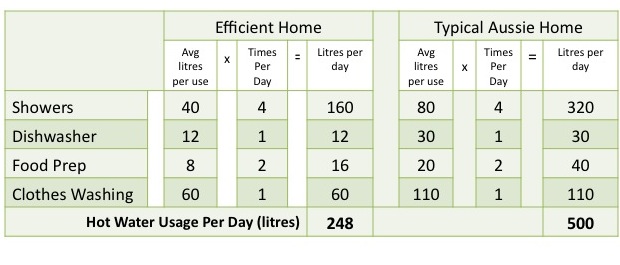
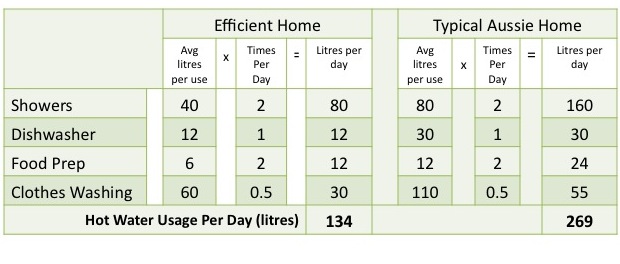
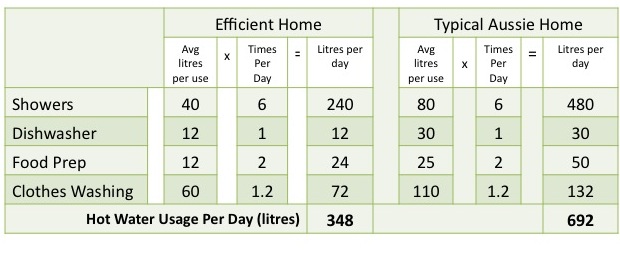
Here’s a table that breaks down the hot water use for a typical Aussie household (just click on the bars underneath to change household size):

Family of 3-4

Typical Hot Water Use - Family of 3 - 4

Family of 1-2

Typical Hot Water Use Family of 1 - 2

Family of 5-6

Typical Hot Water Use - Family of 5 - 6

As you can see, by investing in water efficient shower heads, taps and appliances, you can quite easily cut your hot water use by almost half. Which means you will only need a solar hot water system half the size.

As a rule of thumb, a relatively water efficient household is looking at a system size of 75 litres per person. A typical solar hot water panel is 2 square metres and will supply 150 litres. So a typical 4 person family will need a system sized at 300 litres which has 2 panels.

Having said that, many 4 person households who are very water efficient get by just fine with a 150 litre system with 1 panel. At the end of the day a good installer will look at your usage and advise you exactly what size to go for.

Solar Water Heating System

Working Of a Solar Water Heater

The Sun’s rays fall on the collector panel (a component of solar water heating system). A black absorbing surface (absorber) inside the collectors absorbs solar radiation and transfers the heat energy to water flowing through it. Heated water is collected in a tank which is insulated to prevent heat loss. Circulation of water from the tank through the collectors and back to the tank continues automatically due to thermo siphon system. Based on the collector system, solar water heaters can be of two types: A solar water heater consists of a collector to collect solar energy and an insulated storage tank to store hot water. The stored hot water can be used later any time.

Main Components Of Solar Water Heating System

Main components of solar water heater system are

  • Solar Collector( to collect solar energy)
  • Insulated tank (to store hot water)
  • Supporting stand
  • Connecting pipes and instrumentation etc.

Applications Of Solar Water Heater

Water heating is one of the most cost-effective uses of solar energy. Every year, several thousands of new solar water heaters are installed worldwide. Solar water heaters can be used for Homes, Community Centers, Hospitals, Nursing homes, Hotels, Restaurants, Dairy plants, Swimming Pools, Canteens, Ashrams, Hostels, Industry etc. Use of solar water heater can curtail electricity or fuel bills considerably.

Usage of solar water heater for any application where steam is produced using a boiler or steam generator can save 70-80% of electricity or fuel bills. A residence can save 70-80% on electricity or fuel bills by replacing its conventional water heater with a solar water heating system. Solar water heaters are known to have the fastest repayment of investment in 2 to 4 years depending upon use and fuel replaced.

Types Of Solar Water Heater

Basically two types of solar water heater are available in the market

  • Flat Plate solar water heater – Solar radiation is absorbed by flat plate collectors which consist of an insulated outer metallic box covered on the top with glass sheet.
  • Evacuated Tube Collector – The Collector is made of double layer borosilicate glass tubes evacuated for providing insulation.

Flat Plate Collector (FPC) Solar Water Heater

A black absorbing surface (absorber) inside the flat plate collectors absorbs solar radiation and transfers the energy to water flowing through it. Bureau of Indian Standards has standardized this type of solar collectors in IS 12933; 2003.

Evacuated Tube Collector (ETC) Based Solar Water Heater

An ETC collector is made of double layer borosilicate glass tubes evacuated for providing insulation. The outer wall of the inner tube is coated with selective absorbing material. This helps absorption of solar radiation and transfers the heat to the water which flows through the inner tube. However, these types of collectors have not been standardized and are sourced from the suppliers who have been empaneled by the Ministry of New & Renewable Energy/Government of India on the basis of performance testing of sample system.

4 Things to Consider When Buying Pipes

4 Things to Consider When Buying Pipes

What are the things to consider when buying pipes?

  1. Quality of materials
  2. Corrosion resistance
  3. Tensile strength
  4. Ease of use


Pipes are materials that offer a plethora of benefits for people who work on construction projects. These act as framework reinforcements for water supply, heating, proper sewage disposal, and the provision of clean drinking water. When it comes to buying from a steel pipe supplier , it is important that you know about the things to consider when buying pipes.

Most workers prefer to use pipes for both residential buildings and major infrastructures because they are easily customizable. To help you make an informed decision, here are some of the considerations when buying pipes.


Quality of Materials

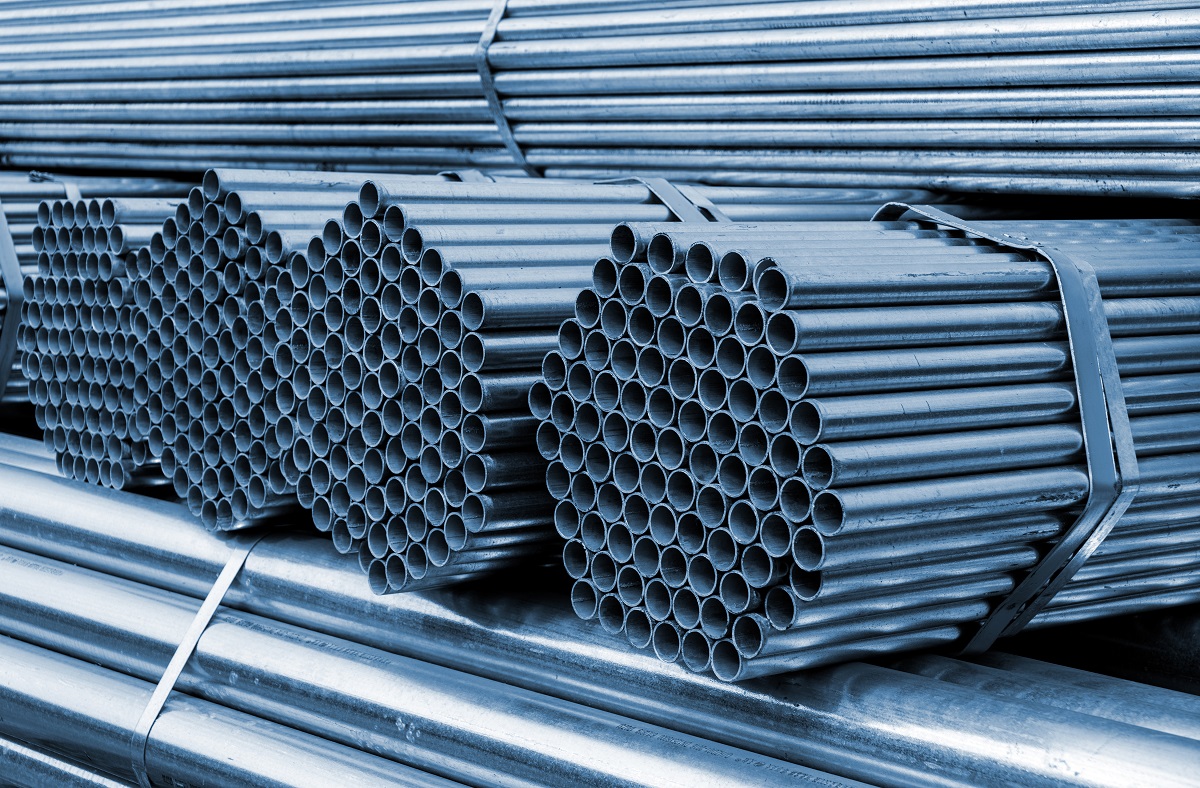
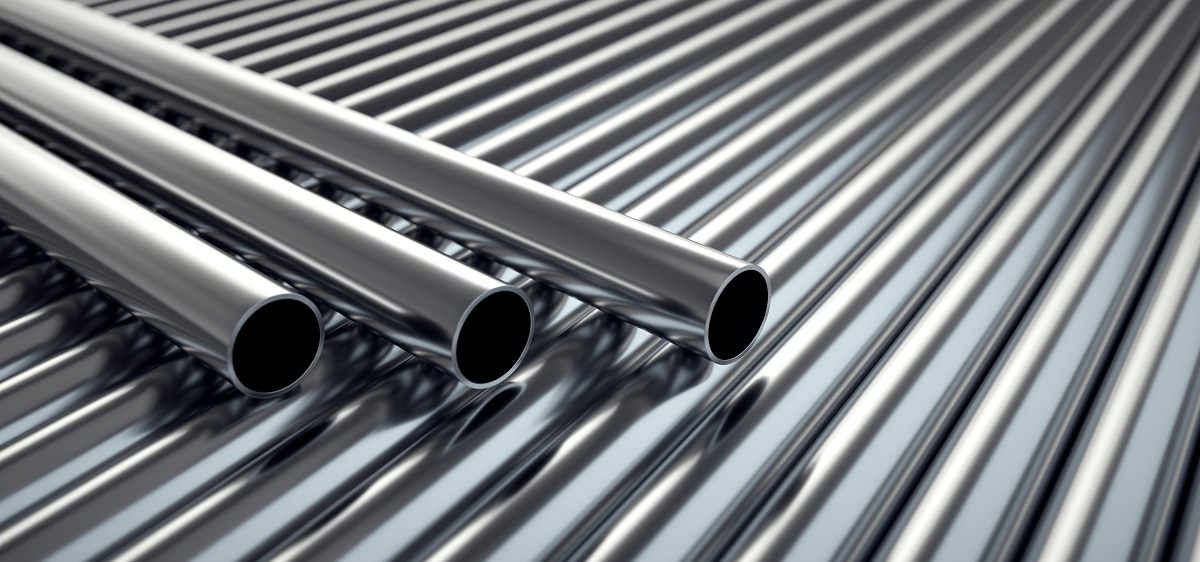
The hollow steel tube

No matter how small or big a leak is, some form of pipe damage is bound to occur. Besides the potential of leaks, water pressure is a force that every pipe will have to cope with. High water pressure can lead to wide-scale damages. Arguably, abrasive materials that pass through the pipes will eventually degrade their quality.

You will have to buy pipes that are made with materials suitable for the purpose of installation. Moreover, the pipes should withstand forces that will be dealt with on a daily basis. Steel is often an ideal material for pipes. The construction industry relies on steel pipes for its durability.


Corrosion Resistance

Given that pipes are responsible for transporting liquids from one point to another, their interiors tend to be vulnerable to corrosion. Corrosion refers to the deterioration process of materials because of a reaction to the environment. Generally, most metal components corrode because of acidity and oxidation.

When highly acidic substances come into contact with steel pipes, rust accumulates inside its layers. This results from oxidation, which means losing iron particles to acidic electrolytes. The water pressure coming from the pipes can further enforce both chemical reactions.

In the long run, the pipes will be destabilized due to corrosion. This factor is naturally occurring and can happen at any rate. Thus, it would be best to buy a pipe that has strengthened corrosion protection. Galvanized pipes are manufactured to resist corrosion. These pipes have been dipped in a protective zinc coating to prevent the metal from rusting. In addition, it prevents the buildup of deposits that can clog the pipeline.


Tensile Strength

Stainless steel tubes.

Tensile strength refers to the maximum capacity that a material can withstand forces before failure or breaking. A strong material can have tensile stress push against it and will just end up becoming flat. This will protect the material from being damaged permanently.

If you plan to buy from a steel pipe supplier in the Philippines, your products must have the best tensile strength to ensure they last for a long time. As versatile construction materials used in a wide variety of applications, pipes will deal with extreme loads and other environmental factors.

With a high-quality black iron pipe, you are assured of reliable tensile strength. These pipes are typically cast from mild grades of steel. With less carbon, they possess an ideal property of ductility and malleability.

Various pipe companies were able to manufacture metal sheets to become spiral in shape. Instead of shattering completely, they have been heated and cooled to act as protection from brittleness. While the metal is still hot, its ends are bent to make a tube without breaking.


Ease of Use

When you purchase pipes, they should be able to adjust to all kinds of harsh environments. Ideally, they must withstand extreme cold and hot temperatures.

The cold weather can often make metal components brittle. The water pressure begins to rush through the pipe and ice forms. If left unnoticed, steel pipes can burst and rupture because of ice blockage. Depending on the scale of damage, it can be especially costly to repair or even require a total replacement.

On the other hand, hot temperatures can make pipes break for a distinct reason. Direct heat can cause the metal to expand. In thermal expansion, the length, surface area, and volume of materials will increase, which makes them more prone to issues and decreases their lifespan. Once the pipe cannot handle the extreme heat, it will also rupture.

Naturally, environmental factors cannot be controlled. The best course of action would be to invest in pipes made with durability in mind. Steel pipes will maintain their form despite temperature fluctuations because they are designed to be highly durable.

An Owners Guide to The Best Roof Materials

As a property owner, you have a lot of important decisions to make regarding the care and maintenance of your home or commercial building. One of the most important choices you’ll face when getting a roof replacement is what type of roofing material to use. There are a lot of options on the market these days, and it can be tough to weigh the pros and cons of each. To help you out, we’ve compiled a list of some of the most popular roofing materials available, along with their key benefits and drawbacks.

In order to provide an ordering of these 5 options, we’ll rank each on a scale of 1 through 10 in the following categories:

  • Cost
  • Lifespan
  • Maintenance
  • Visual Appeal

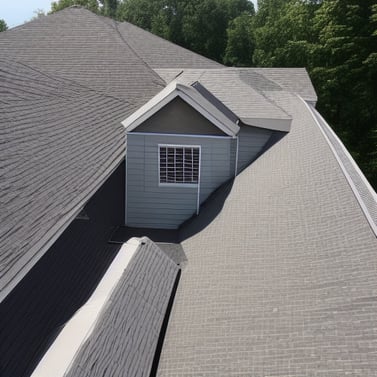
Asphalt ShinglesArchitectural roof shingles from drone view

Cost – 10

Lifespan – 9

Maintenance – 9

Visual Appeal – 6

Asphalt shingles are the most commonly used roofing material in the United States. They come in three varieties: 3-tab, dimensional, and luxury. All three types have their own benefits and drawbacks.

When it comes to asphalt, there is 3-tab vs architectural shingles. They’re also the fairly durable, with a lifespan of up to 30 years. However, they’re not very aesthetically pleasing, and they can be prone to leaks.

Dimensional asphalt shingles are more expensive than 3-tab shingles, but they look a lot nicer and are more resistant to leaks. Their lifespan is between 30-50 years.

Luxury asphalt shingles are the most expensive option, but they also offer the best look and durability. They can last for up to 50 years. Asphalt shingles are the most commonly used roofing material in the United States. They come in three varieties: 3-tab, dimensional, and luxury. Dimensional and luxury asphalt shingles are more aesthetically pleasing than the 3-tab type, and they also provide more insulation. However, they are also more expensive.

Metal Roofing

Cost – 8

Lifespan – 10

Maintenance – 7

Visual Appeal – 8

Metal roofing is a popular choice for homeowners and businesses looking for a durable and long-lasting roofing material. Metal roofs are made from a variety of materials, including aluminum, steel, and copper. They come in a variety of colors and styles, and they’re also very resistant to leaks and weather damage.

In addition to different metal types, there are many different profiles of metal panels and metal shingles available.

The main downside to metal roofing is that it’s expensive compared to other options. It can also be difficult to install, so it’s best suited for experienced contractors. Metal roofing is becoming more popular among homeowners, but it is more expensive than asphalt shingling. Standing seam metal roofs are recommended for residential properties. Metal roofs are durable and last a long time, but they can be dented by hail or falling objects and may become noisy in rain or snow storms.

Composite/Synthetic Shingles

Cost – 8

Lifespan – 10

Maintenance – 9

Visual Appeal – 10

Composite (synthetic) shingles are made of recycled materials like rubber and plastics. They come in a variety of colors and styles, and they’re also very resistant to leaks and weather damage.

The main downside to synthetic shingles is that they’re expensive compared to other options. They can also be difficult to install, so it’s best suited for experienced contractors. Composite shingles are becoming more popular among homeowners, but they are more expensive than asphalt shingling.

Cedar Shake Roofs

Artistic picture of cedar shingles

Cost – 7

Lifespan – 8

Maintenance – 8

Visual Appeal – 9

Cedar shake roofs are made from cedar wood and come in a variety of colors. They’re also very resistant to leaks and weather damage.

Cedar shake roofs are made of natural wood materials and are considered aesthetically pleasing but require more maintenance than other roof types. Cedar shakes need to be treated regularly with a sealant to prevent moisture damage, and they should be replaced every 10-20 years depending on the climate where you live.

Slate Roofs

Cost – 6

Lifespan – 10

Maintenance – 8

Visual Appeal – 10

Slate roofs are made from slate tiles and come in a variety of colors. They’re also very resistant to leaks and weather damage.

Slate roofs are made of natural stone materials and are considered very aesthetically pleasing. However, they require more maintenance than other roof types.

Slate roofs are made primarily from natural slate tiles mined mostly in Italy; they are heavy and require a sturdy frame to support them but last much longer than other roof types with little required maintenance. Slate roofs can be very expensive, however, so they may not be an option for everyone.

Making Your Roof Replacement Material Decision

There are a number of factors to consider when deciding on a roof replacement material. Cost is definitely a consideration, but you should also think about the lifespan of the material, the amount of maintenance it requires, and how aesthetically pleasing it is.

Our ranking finished in the following order:

  1. 1) Composite/Synthetic Shingles at 9.25/10
  2. 2) Asphalt Shingles and Slate Roof tied at 8.5/10
  3. 3) Metal Roofing at 8.25/10
  4. 4) Cedar Shake at 8/10

If you’re looking for a durable and long-lasting roof, metal roofing is a great option. Metal roofs come in a variety of materials, colors, and styles, and they’re also very resistant to leaks and weather damage. However, metal roofs are expensive compared to other options.

If you’re looking for an affordable option that still offers good durability, asphalt shingles are a good choice. Asphalt shingles come in three varieties: 3-tab, dimensional, and luxury. Dimensional and luxury asphalt shingles are more aesthetically pleasing than the 3-tab type, and they also provide more insulation. However, they are also more expensive.

For more information on your pricing, visit our blog titled “How much does a new roof cost?

If you’re looking for an environmentally friendly option, composite (synthetic) shingles are a good choice. Composite shingles are made of recycled materials like rubber and plastics. They come in a variety of colors and styles, and they’re also very resistant to leaks and weather damage. However, synthetic shingles are expensive compared to other options.

There’s no “one size fits all” answer when it comes to choosing a roofing material for your property. The best roof for your home or business will depend on a variety of factors, including climate, budget, aesthetic preferences, and required maintenance levels. We hope this overview has given you a better idea of some of the pros and cons of different types of roofing materials so that you can make an informed decision about what’s right for you.

If you’re still not sure which roofing material is right for you, contact a roofing contractor in your area for more information and advice.

HOUSE BUYING SERIES: QUESTIONS TO ASK ABOUT A HOUSE’S ROOF BEFORE BUYING

The roof is one of the most important parts of a home. As the primary line of defense between your home and the elements, it should be a top priority when you’re searching the market. Asking a few important questions about the roof before buying could save you time, money, and energy.


CAN I SEE THE ROOF REPORT?

Many sellers obtain professional roof inspections because they can prove to buyers that a home’s roof is in a condition worthy of the house price. When an inspection is performed, the inspector records their findings in a roof report. By seeing the seller’s roof report, you confirm that the roof has been properly inspected and will be able to see any problems noted on the report.

WHO INSTALLED THE CURRENT ROOF?

It’s useful to know who has done work on a home. If you know the name of the contractor, you can research them to determine if they are trustworthy and reputable. If you don’t find good results on the contractor, you may want to contact a contractor you trust to perform a full inspection.

WHAT IS THE CURRENT ROOFING MATERIAL?

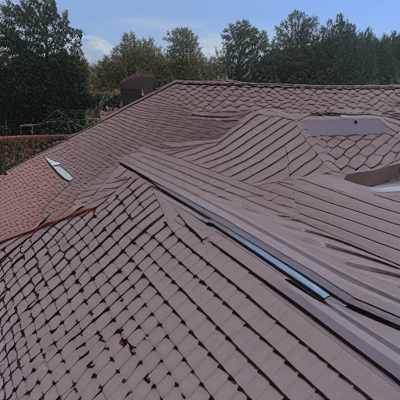
Roofing materials greatly affect the longevity of a roof. There is a wide range of roofing materials on the market, from shingles to metal roofing. If you’re not familiar with roofing materials, confirm what type the house currently has, and research its pros and cons. In addition to longevity, the material can affect the cost of repairs.

HOW OLD IS THE ROOF?

It’s always important to know how old the roof is. This will help you determine when repairs and replacements will likely be needed. If a roof is older, it may not be able to withstand harsh weather well. Age is relative to the roofing materials, however, which is why that should be your first question. A fifty-year-old shingle roof would be ancient, but a metal roof of the same age may have a lot of life left in it.

DOES THE ROOF HAVE A TRANSFERABLE WARRANTY?

Even new roofs can have damage, which is why warranties exist. However, not all warranties are transferable to a new owner when a house is sold. If you’re considering purchasing a home with a newer roof, get a copy of the warranty to see if it’s transferable. If the roof warranty is a selling point, it’s best to verify that this is actually a benefit you could claim.

HOW MANY LAYERS OF SHINGLES ARE ON THE ROOF?


When a roof needs to be reshingled, many homeowners opt to place a new layer of shingles on top of the old one to reduce the amount of labor needed. This isn’t an effective way to replace or repair a roof, however, because the new shingles won’t be able to lie flat, which can prevent the roof from properly sealing. A roof with layers of shingles will be at risk for leaks and will need to be replaced sooner rather than later.

A home’s roof can be a huge selling point, but as a buyer, it’s important to know what you’re looking for. For more tips, subscribe to our blog!

The Havoc Wreaked by Hail: Understanding and Managing Roof Damage

Introduction

Hail storms can be an unexpected and costly menace, leaving homeowners with significant roof damage that may require extensive repairs. As these icy projectiles plummet from the sky, they can compromise the integrity of a roof and even lead to leaks, structural damage, or mold growth. In this blog post, we’ll delve into how hail can cause roof damage, how to identify and assess the damage, and steps you can take to mitigate the aftermath of a hailstorm.

The Anatomy of a Hailstorm

Hail forms when supercooled water droplets are carried upwards by powerful updrafts in a thunderstorm. As these droplets reach colder layers of the atmosphere, they freeze, creating hailstones. The stronger the updraft, the larger the hailstones can grow before they become too heavy and fall to the ground.

Roof Damage Caused by Hail

  1. Shingle Damage: The most common type of roof damage caused by hail is to shingles, particularly those made of asphalt or wood. Hailstones can crack or break shingles, dislodge granules, or create divots and punctures in the surface. This damage exposes the underlying roofing materials, leaving them vulnerable to water infiltration and potential leaks.
  2. Denting and Puncturing: Hailstones can dent and puncture metal roofs, reducing their effectiveness and aesthetic appeal. While metal roofs are more resistant to hail than other materials, large hailstones can still cause significant damage.
  3. Structural Damage: In extreme cases, the force of hailstones striking a roof can lead to structural damage, such as cracked or broken rafters and trusses. This can compromise the integrity of the roof and, if left untreated, may result in further damage or collapse.
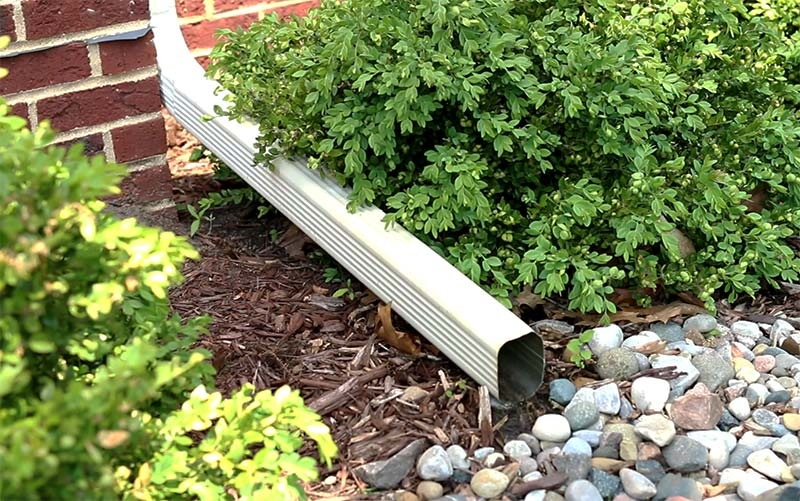
  4. Gutter and Downspout Damage: Hail can dent, crack, or break gutters and downspouts, impairing their ability to divert water away from your home. This can lead to water pooling around the foundation, increasing the risk of basement flooding and foundation damage.

Identifying and Assessing Hail Damage

It’s essential to inspect your roof for signs of hail damage as soon as it’s safe to do so after a storm. Keep an eye out for the following signs:

  1. Dented or cracked shingles
  2. Loss of granules, exposing the underlying roofing material
  3. Dents, punctures, or scratches on metal roofing
  4. Dented, cracked, or broken gutters and downspouts
  5. Cracked or broken vents, skylights, or other roof components

While some hail damage may be visible from the ground, a thorough inspection requires climbing onto the roof. If you’re uncomfortable with heights or unsure of what to look for, consider hiring a professional roofing contractor to assess the damage.

Mitigating Hail Damage

  1. Regular Roof Inspections: Regular roof inspections can help you identify and address hail damage before it worsens. Schedule inspections at least once a year, or more frequently if you live in an area prone to hailstorms.
  2. Roof Maintenance: Proper roof maintenance, such as replacing damaged shingles, cleaning gutters, and repairing vents, can help minimize the impact of hail damage.
  3. Hail-Resistant Roofing Materials: When replacing your roof or building a new home, consider using hail-resistant roofing materials, such as impact-resistant shingles or metal roofing. These materials are designed to better withstand the force of hailstones, reducing the likelihood of damage.
  4. Storm-Ready Home Improvements: Consider installing gutter guards, reinforced soffits and fascia, and sturdy vents and skylights to help protect your home from hail

Hire An Expert

If you need help with your roof and are located in the Upstate of South Carolina mainly in the Greenville, SC area then you should call Roofers LLC. They have over 40 years of experience and do the job right the first time. To contact them you can reach out at this address:

Roofers LLC
1427 Laurens Rd L
Greenville, SC 29607
(864) 740-1691

5 Questions to Ask When Choosing a New Water Heater

Being a well-informed consumer can be really hard in any context, especially when you have so many choices. It’s even harder to make smart purchases when you’re looking for big ticket items like a water heater.

Next time you need a new water heater, we recommend asking yourself these five basic questions. Once you can answer these, you’ll know exactly what type of heater is ideal for your home.

Are you interested in a conventional or a tankless water heater?

Conventional water heaters have shorter lifespans, but cost less to install up front. A conventional heater and a tankless heater of similar size will cost approximately $1 vs 3 thousand respectively.

Conventional heaters are better for people with budget or time restraints when it comes to installation. Tankless heaters fit into smaller spaces and they’re more ecologically-friendly, but they’re also more expensive.

What size tank do you need?

The size of the tank you need if you go with a conventional water heater depends on a number of different factors. You should consider how much water you use, how many people live with you, and the size of your previous tank.

The average size chosen for an in-home water tank ranges between twenty and fifty gallons. If you’re unsure which size you should buy, we recommend asking a professional.

What is the warranty like?

A brand new water heater isn’t likely to have any problems, especially for the first few years of use. However, it’s still important to know about warranties before you make a purchase.

An average water heater lasts five years. Tankless heaters typically have longer warranties. If you are concerned about warranty length, there are also extended warranty offerings from many manufacturers. Make sure you ask about warranties before you commit to a purchase.

What brands should I look into?

The best way to learn about water heater brands is to ask the professional installers. They’ll have knowledge of how the different brands work that the manufacturers may not give you.

Make sure you work with plumbing companies that give you a wide variety of water heaters to choose from. Ask them for their opinions on each of your options and learn to their experiences. That will allow you to feel confident that they’re not trying to shoehorn you into purchasing a particular heater.

Who am I going to hire to install my water heater?

Take the time to do some research and find the best option for you. The ideal water heater installer is a local service with years of experience delivering high-quality service. Taking your time to make an informed decision will always pay off in the long run. Properly installing a water heater is absolutely crucial for ensuring its health and longevity.

Primary Advantages & Disadvantages of Solar Water Heaters

Alot of energy is used in the home to heat water. In fact, about 18 percent of home energy use goes towards heating water, according to the U.S. Department of Energy. It is possible to reduce energy use and the associated costs, by switching to a home solar water heating system.

Such a system does not depend on fossil fuels and takes energy from the sun to heat stored water. It, therefore, saves money, which is a major advantage of solar heating systems. Energy from the sun doesn’t cost anything, so no charge from electrical utilities is needed.

Advantages of Solar Water Heaters

The advantages go beyond cost savings and the availability of power, which are also realized with solar electric systems. Here are a few unique perks of home solar water heating products that may convince you to upgrade your home.

Types:

Active systems: These come in two forms. Direct circulation systems pump household water through collectors, which is then delivered to where needed in the house. They have automatic controllers that sense when sunlight is available. However, the systems are ineffective in temperatures below freezing.

Indirect circulation systems heat water by pumping it through a heat-transfer fluid that doesn’t freeze. It’s then sent through collectors and a heat exchanger. Operational in freezing temperature and in multiple heating applications, they’re often more expensive than direct circulation systems.

Passive systems: Two types are available here as well. An integral collector-storage passive system consists of a storage tank, solar collection unit, and pipes that pump cold water into the collector. It suits a home that needs hot water in the day and evening but also doesn’t work as well in cold outside temperatures.

A thermosyphon system works on the principle of warm water rising and cold water sinking. Warm water in the collector rises into the storage tank, which is a reliable configuration. A downside is the weight of the storage tank, which can be a challenge for contractors working on the roof; the system is a more expensive option as well.

Other advantages include:

  • Choice of size: Proper sizing is essential, as homeowners must have enough storage to meet 90 to 100 percent of their hot water needs. Storage volume is also a consideration. A 50- to 60-gallon storage tank is fine for up to three people, an 80-gallon tank for up to four people, and a larger one for as many as six people.
  • Less space: Solar thermal panels are usually less space-intensive than photovoltaic panels. Fewer are required to heat water than in an array used to produce sufficient power for a home.
  • High efficiency: About 80 percent of the sun’s radiation is turned into the heat energy needed to obtain hot water at home.
  • Cost savings: The cost of two or three panels is cheaper than larger domestic installations. You also save on fuel bills for supplying gas heating systems.
  • Low maintenance: After installation, little maintenance is required, and a solar water heater can run for up to 20 years.
  • Lower carbon footprint: A home can be eco-friendlier, plus tax incentives may be available for using renewable energy.

Disadvantages of Solar Water Heaters

Maintenance is one disadvantage, although most systems don’t require a high degree of care. However, scaling occurs when there are minerals suspended in domestic water, which build up as calcium deposits in the system. Adding water softeners or mild acidic substances such as vinegar can avoid scaling. It only must be done every three to five years, but this can vary depending on the water quality.

Corrosion is another concern. In open loop hydronic solar systems, oxygen can rust any iron or steel part. The plumbing components are more resistant if they’re made of copper, brass, bronze, stainless steel, plastic or rubber. Storage tanks should be lined with glass or plastic to resist corrosion as well.

Also, active systems can overheat if the size of the storage tank isn’t appropriate for the collector. The general rule is that for each square foot of collector, there should be 1.5 gallons of storage. With that in mind, such a disadvantage can be avoided.

Other disadvantages:

  • Compared to photovoltaic panels, solar thermal panels only heat water.
  • Solar heaters require sufficient roof space to accommodate them.
  • Solar water heaters require direct sunlight to function.
  • The system does not function on cloudy, rainy, or foggy days.
  • Annual maintenance is recommended to check the pump and antifreeze.
  • Installation requires the use of a new hot water cylinder.

Also, heating is only provided in the daytime. That does not mean hot water won’t be available at night. An insulated storage tank can maintain water temperature so that the water heated during the day can be used during nighttime hours.

Cost can be another disadvantage. Oftentimes a solar water heating system costs more in terms of purchasing and installation, compared to other types of water heaters. The savings come over the long run because water heating bills can be reduced by as much as 50 to 80 percent. Price hikes, fuel shortages, and other issues with utility-based heat are not a concern either.

Getting the Most Out of a Solar Water Heater

There are many advantages to using a solar water heating system, and many of the disadvantages can be averted through professional installation. Installers can check the roof to see if it can support the panels. They can also look at shading and other factors that might impact efficiency.

Professional installers can also help you get more out of the system. In addition to a more optimal configuration, they might be able to optimize roof space so water heating elements can be combined with photovoltaic systems. Electricity from these can contribute to additional heating capacity. In fact, combining different types of panels contributes to a high degree of energy efficiency.

Solar water heaters have their advantages and disadvantages, but they are reliable and efficient. Planning and proper installation help homeowners get the most out of them and avoid some of the disadvantages while reaping all the benefits the right system and size can afford.